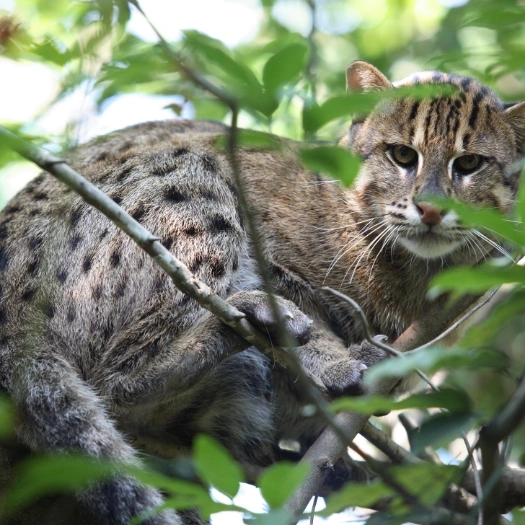
Fishing Cat (Prionailurus viverrinus)
The Fishing Cat is a medium-sized wild cat native to South and Southeast Asia, primarily found in wetland habitats such as mangroves, swamps, and riverbanks. Unlike most felines, fishing cats are excellent swimmers and have partially webbed feet, allowing them to catch fish with remarkable precision. Classified as Vulnerable on the IUCN Red List, their populations are declining due to habitat destruction, pollution, and human encroachment.
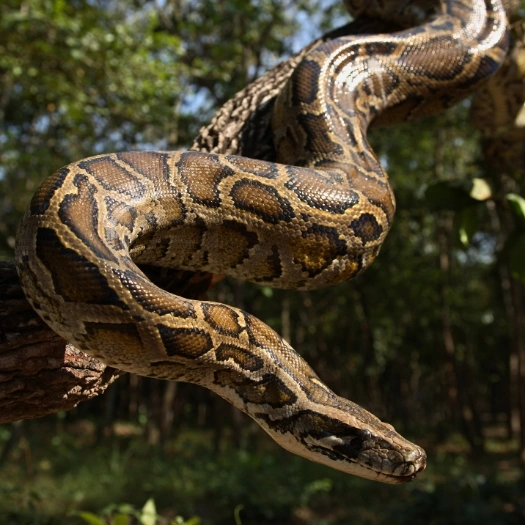
Burmese Python (Python bivittatus)
One of the world’s largest snakes, the Burmese Python can grow up to 5 meters (16 feet) in length. It is a non-venomous constrictor, meaning it subdues its prey by wrapping around it and suffocating it. Found in tropical forests, grasslands, and wetlands, this species is an apex predator in its environment. Although widespread, Burmese Pythons face threats from habitat destruction and illegal wildlife trade. In some regions, they have also become an invasive species, notably in Florida’s Everglades.
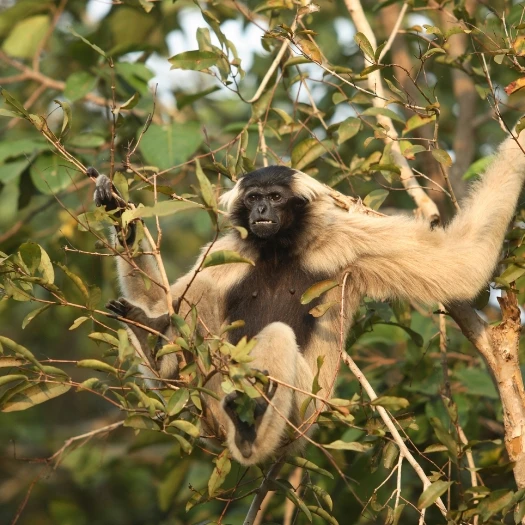
Pileated Gibbon (Hylobates pileatus)
The Pileated Gibbon is an endangered primate found in the forests of Cambodia, Thailand, and Laos. Known for their incredible agility, these gibbons swing effortlessly through the trees using brachiation, traveling up to 15 meters in a single leap. They live in small family groups, with strong pair bonds between mates. Their haunting calls, which echo through the jungle, are used for territorial marking and communication. Due to deforestation and illegal wildlife trade, their populations are in decline.
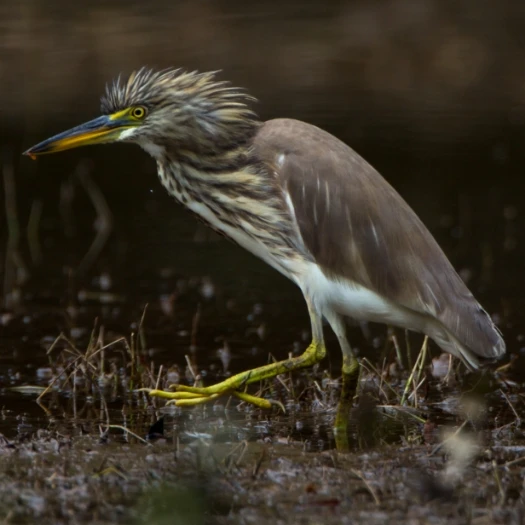
Chinese Pond Heron (Ardeola bacchus)
The Chinese Pond Heron is a wading bird commonly found in marshes, rice fields, and shallow wetlands across Asia. In its breeding season, it transforms from dull brown plumage into a striking mix of maroon, white, and blue feathers, making it easy to distinguish. These birds are opportunistic feeders, preying on fish, insects, and amphibians in shallow waters. They are migratory, spending winters in Southeast Asia before heading north to breed.
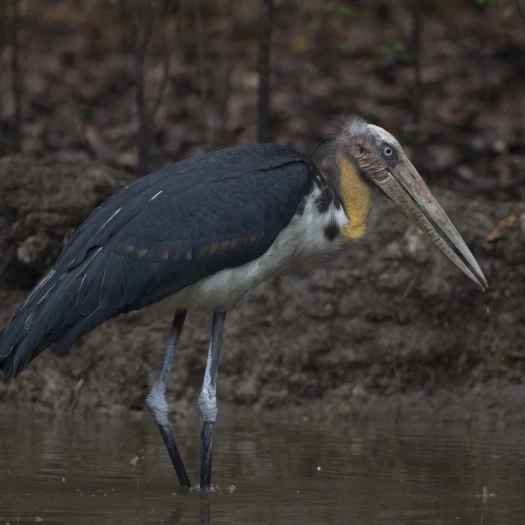
Lesser Adjutant (Leptoptilos javanicus)
A large and rare stork, the Lesser Adjutant is distinguished by its bald head, long legs, and large bill. Found in wetlands, swamps, and open forests, this scavenger primarily feeds on fish, amphibians, and carrion. Unlike other storks, it tends to be more solitary and avoids large flocks. Once widespread, habitat loss and poaching have caused significant population declines, making them a near-threatened species.
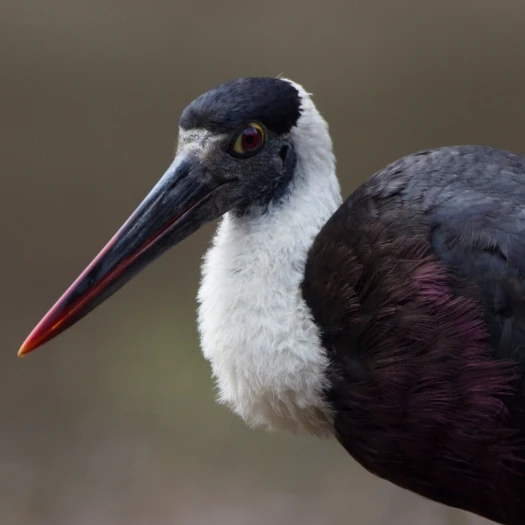
Woolly-necked Stork (Ciconia episcopus)
Named for its fluffy white neck, the Woolly-necked Stork is a striking black-and-white bird found near rivers, lakes, and wetlands. It is known for its slow, deliberate movements and keen eyesight, helping it hunt for fish, frogs, and small reptiles. Unlike other storks, this species often nests in trees rather than cliffs or wetlands. It has adapted well to human-altered landscapes and can sometimes be found near agricultural fields.